
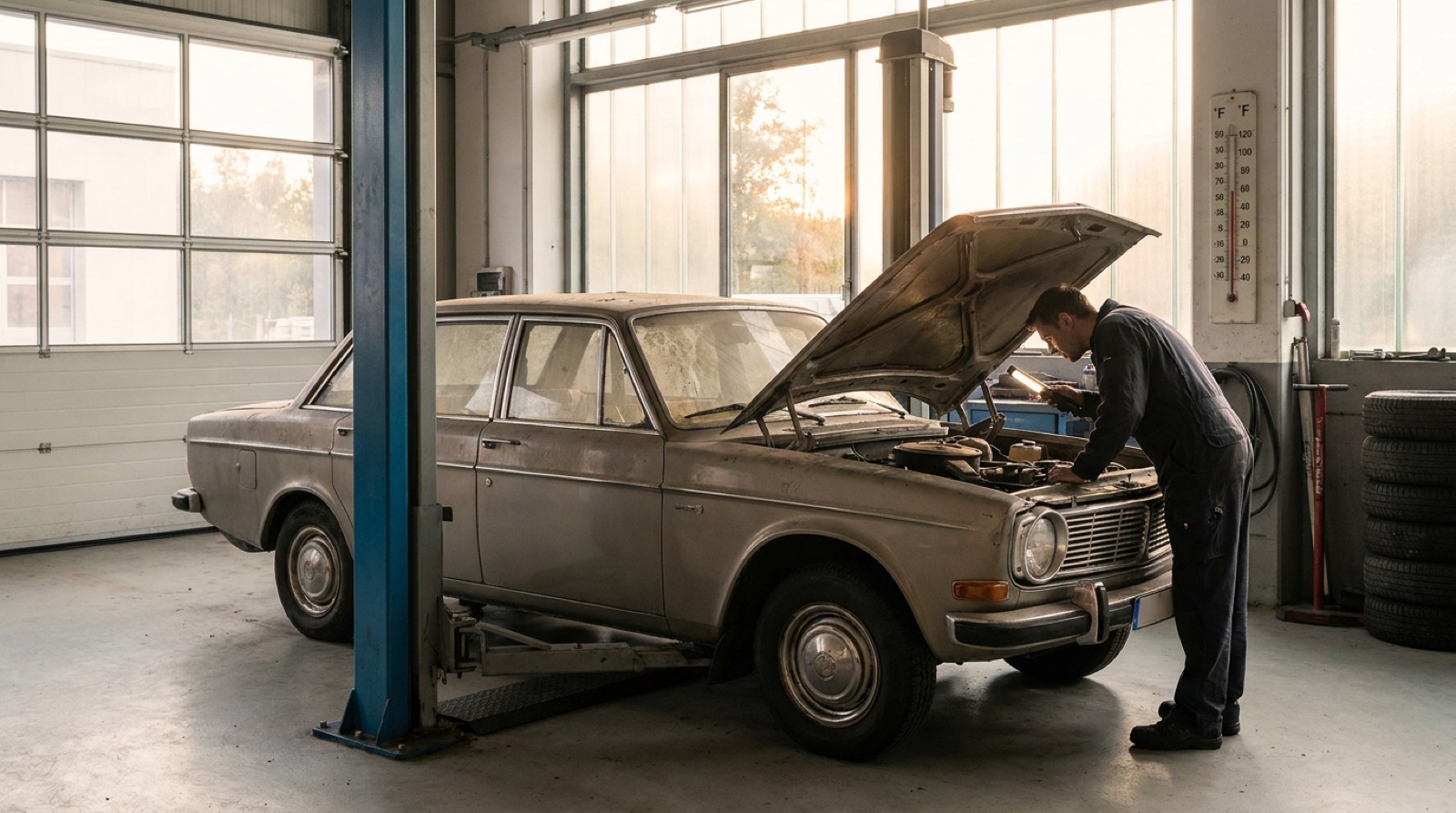
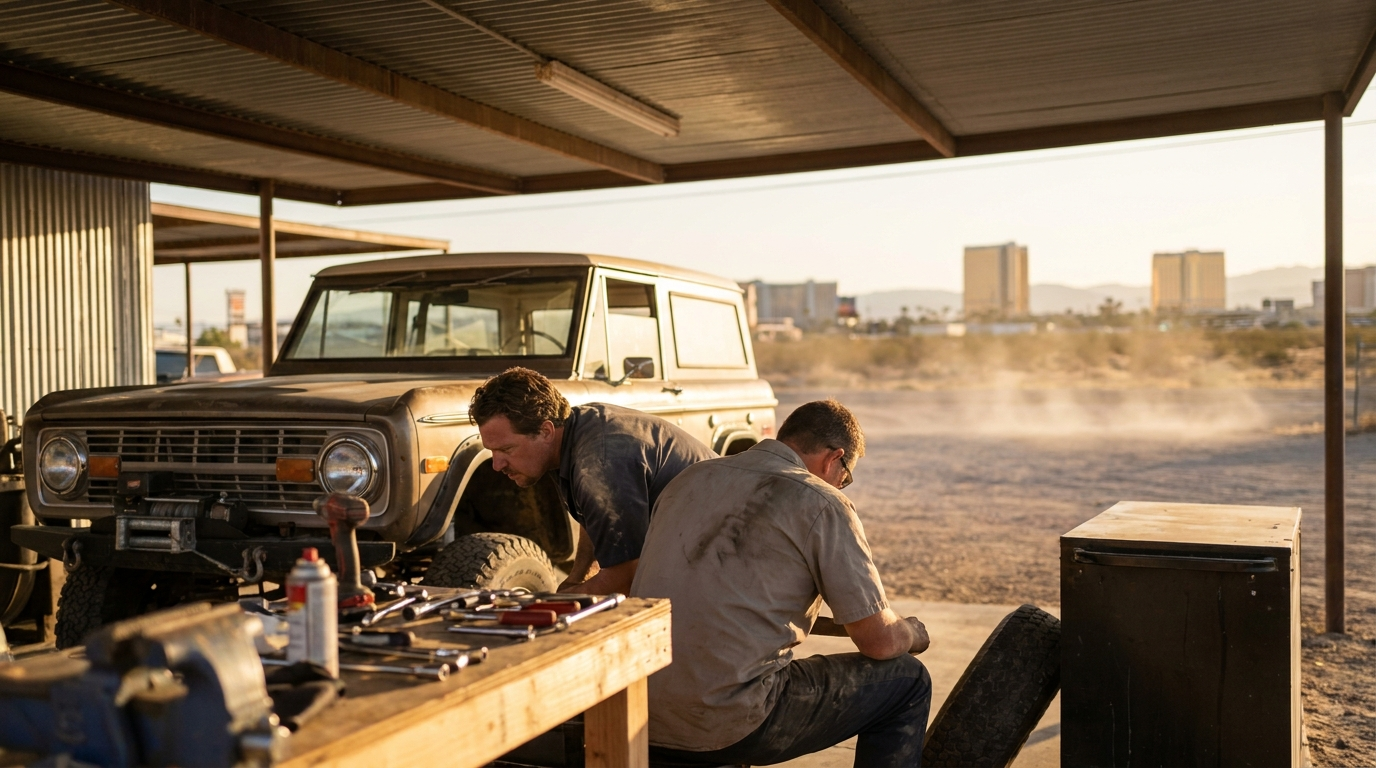
The most useful thing any Las Vegas driver can do before the worst of summer arrives is have the battery, cooling system, and air conditioning checked while there is still time to fix small problems cheaply.
Desert heat is the hardest condition a car faces all year, and this season is shaping up to be another scorcher.
On June 11 the Las Vegas Sun reported that Southern Nevada is trending toward another record-breaking summer. Forecasts show a strong likelihood of above-normal heat continuing for months.
The same report noted that Harry Reid International Airport hit 98 degrees on March 25, the hottest March day on record, during a run of eight straight record days. Two summers ago the valley logged its hottest season ever, which included a 120-degree day.
The heat is not easing. The demands on your vehicle are not easing either.
Why Heat Is Harder on Cars Than Cold
Most people connect breakdowns with winter, but in the desert the real danger runs the other direction.
High temperatures speed up the chemical and mechanical wear that quietly builds inside a car. Fluids break down faster, rubber dries out, and electronics run hotter.
By the time something fails on the road, the damage has usually been building for weeks.
The Systems That Fail First
A few parts of your vehicle take the brunt of the heat. These are the ones worth watching as temperatures climb.
| System | What the heat does | Smart move |
|---|---|---|
| Battery | Evaporates fluid and speeds wear, often to about three years here | Test it and replace before peak summer |
| Air conditioning | Exposes weak compressors and slow refrigerant leaks | Diagnose warm vents early |
| Cooling system | Old coolant loses its ability to move heat | Flush on schedule |
| Tires | Hot pavement plus low pressure invites blowouts | Keep pressure correct and rotate |
| Engine oil | Thins out and works harder | Stay on a regular change interval |
Heat, not cold, is what ends most car batteries. The high temperatures under the hood evaporate fluid and speed up the reactions that wear the battery down.
A battery that might last five years in a mild climate often lasts closer to three here. If yours is near that age, putting in a fresh battery before peak summer is cheap insurance against a no-start in a hot parking lot off Decatur.
An air conditioner that felt fine in April can fall behind once the dash reads 115.
A worn compressor, low refrigerant, or a small leak all surface quickly as the load climbs. If your vents are pushing warm air, an honest look at the whole system finds the real cause instead of throwing parts at the problem.
Your cooling system is the only thing keeping the engine from overheating in stop-and-go traffic on I-15 or the 215.
Coolant breaks down over time and stops moving heat the way it should. A scheduled coolant flush keeps the system clean and cuts the risk of boil-over on a triple-digit afternoon.
Pavement across Enterprise, Spring Valley, and Henderson can climb well past the air temperature in July. Hot asphalt and an underinflated tire are a common recipe for a blowout.
Correct pressure and a regular rotation spread the wear evenly and keep more rubber on the road.
Heat also thins motor oil and forces it to work harder. Staying on a steady oil and filter change schedule matters more in the desert than almost anywhere else.
Protect the Outside, Not Just the Engine
The sun does not stop at the hood. Months of direct exposure fade paint, crack dashboards, and dry out trim and seals.
Protecting the finish keeps a vehicle worth driving and worth selling. It is easy to overlook when your attention is on what is mechanical.
"In a desert climate a vehicle's paint takes constant punishment from ultraviolet rays and surface temperatures that speed up oxidation. Paint protection film and a quality vehicle wrap work as a sacrificial barrier that reflects heat and blocks the UV light that fades clear coat and dries out a finish. We tell every owner that shielding the exterior matters as much as protecting what sits under the hood, because once oxidation reaches the paint it is far harder to reverse than it ever was to prevent." says Car Wrap New Orleans, a vehicle exterior protection specialist.
A Summer Readiness Checklist
You do not need to tackle everything at once. Work through this list over the next few weeks and you will head into July in good shape.
- Have the battery load tested if it is two years old or more.
- Confirm the air conditioning blows cold at idle, not only while moving.
- Check coolant level and color, and flush it if it is past due.
- Set tire pressure to the door sticker spec and rotate if it is time.
- Keep up with oil changes and watch for any dashboard warning lights.
Beat the Heat Before It Beats Your Car
Catching a weak battery or a tired cooling system in June is a quick, affordable visit. Discovering it on the shoulder of the 95 in August is not.
If you are not sure where your vehicle stands, stop by our shop on South Decatur Boulevard or reach out for a straight quote. We will tell you what actually needs attention before the valley hits its peak.
Drivers across Las Vegas, Summerlin, Paradise, and North Las Vegas know that a little planning now saves a long tow later.